


Ultrafiltration Membranes

Ultrafiltration (UF) is a separation process using membranes with pore sizes in the range of 0.1 to 0.001 micron. Typically, UF membranes will remove high molecular-weight substances, colloidal materials, and organic and inorganic polymeric molecules. Low molecular-weight organics and ions such as sodium, calcium, magnesium chloride, and sulfate are not removed by Ultrafiltration Membranes (UF Membranes). Because only high-molecular weight species are removed, the osmotic pressure differential across the UF Membrane surface is negligible. Low applied pressures are therefore sufficient to achieve high flux rates from an Ultrafiltration membrane. Flux of a membrane is defined as the amount of permeate produced per unit area of membrane surface per unit time. Generally flux is expressed as gallons per square foot per day (GFD) or as cubic meters per square meters per day.
Ultrafiltration UF membranes can have extremely high fluxes but in most practical applications the flux varies between 50 and 200 GFD at an operating pressure of about 50 psig in contrast, reverse osmosis membranes only produce between 10 to 30 GFD at 200 to 400 psi.
To view the rest of this article on Ultrafiltration, please visit About Ultrafiltration.
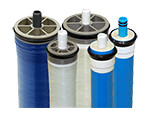
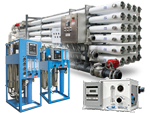
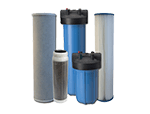
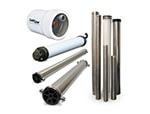
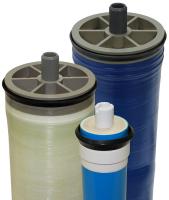
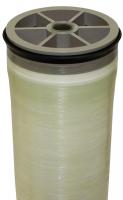
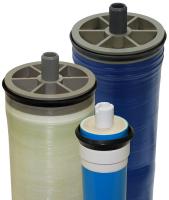
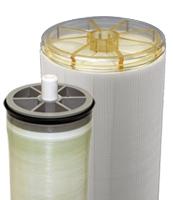
Applied Membranes manufactures Ultrafiltration Membranes in a variety of materials for many applications. Please choose a membrane type below for more information on our Ultrafiltration Membranes and to find the right UF Membrane for your water treatment project.
Purchase Now » Request A Quote »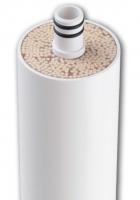
Contact us
for a quote or for any additional information
or call us at 1.800.321.9321




